
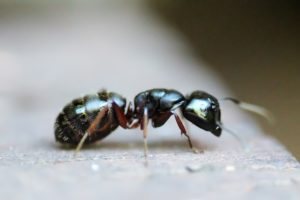
Carpenter Ants
Identify carpenter ants, recognize wood damage and explore professional control for your home or cottage.
Learn more about Carpenter AntsRequest ServicePest Control Tips
Recognize ticks, learn where they hide and reduce exposure to tick bites around your Ontario property.
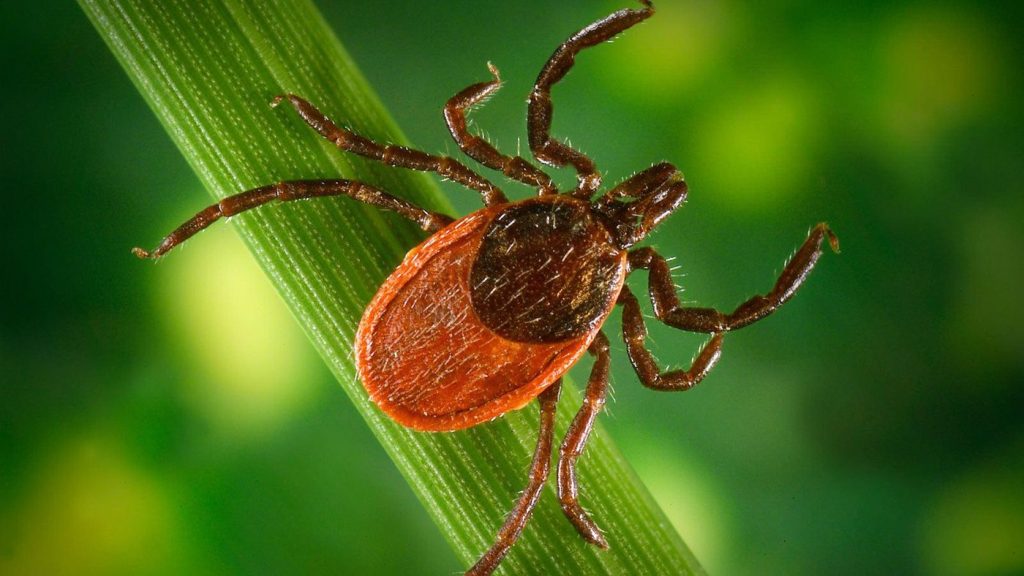
A walk with the dog, a weekend at the cottage or an afternoon clearing brush should be enjoyable. Ticks are easy to overlook, however, especially when they are small. Knowing where to look and what to do can help you enjoy the outdoors with greater confidence.
Ticks are arachnids, not insects. Nymphs and adults have eight legs and cannot fly or jump. Adult female blacklegged ticks often have a dark shield and reddish-brown body; American dog ticks may have pale markings. Young ticks can be very small, so colour alone is not reliable.
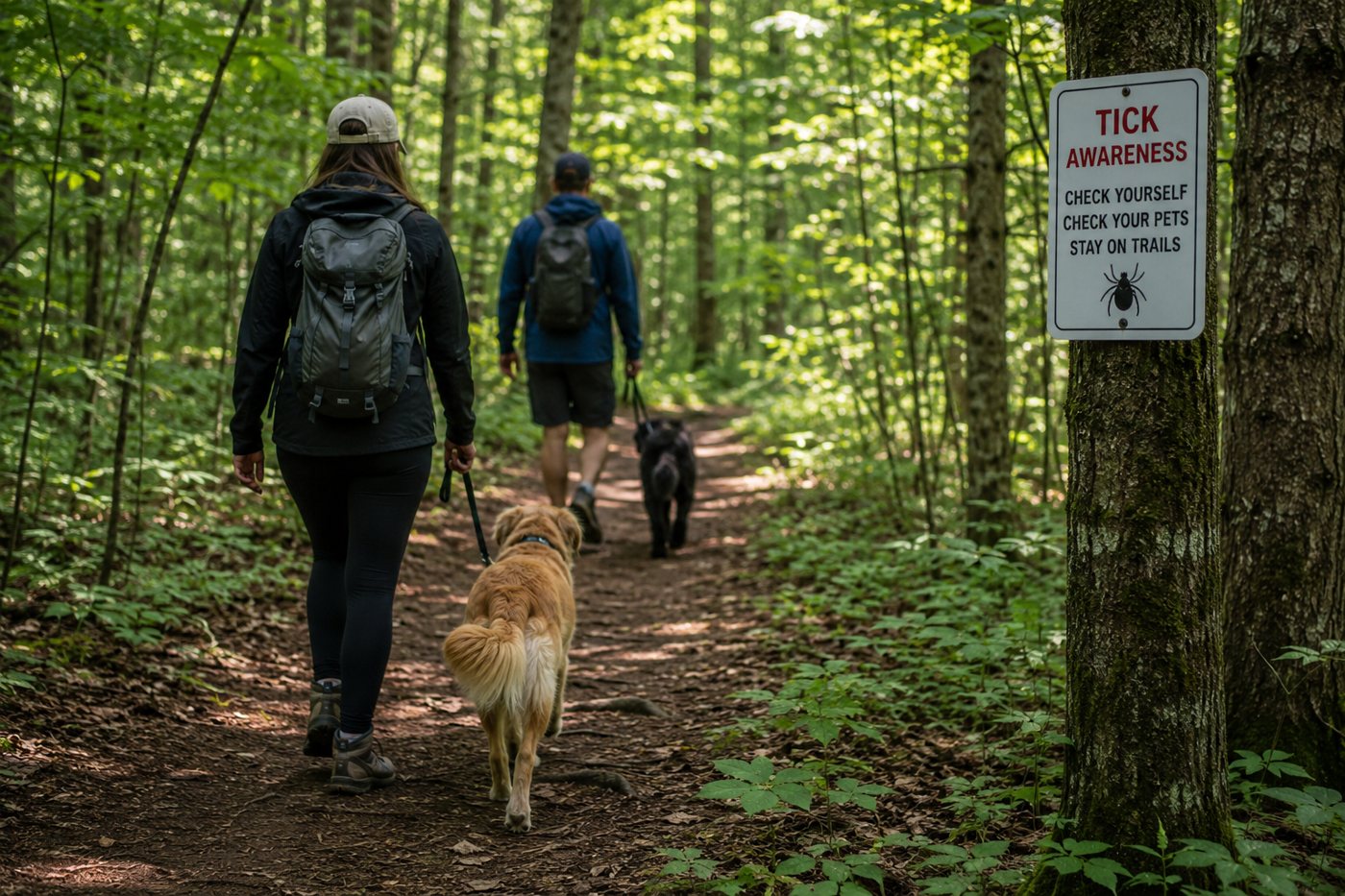
Ticks wait on vegetation or in leaf litter for a passing host. Check wooded edges, tall grass, brushy areas and places wildlife travel. After outdoor activity, inspect clothing, gear, children and pets, paying attention to hidden areas such as behind knees and ears.
Exposure is possible whenever temperatures allow ticks to be active, including mild days outside the usual summer season. Spring through fall deserves particular attention. Tiny nymphs can be easy to miss.
Concern about tick bites can discourage hiking, gardening and time with pets. Infected blacklegged ticks can transmit Lyme disease and other infections. Not every tick is infected; prevention remains important.
Brush and leaf litter can maintain favourable habitat. Ticks do not chew or damage houses, but repeated exposure can increase opportunities for bites. If a tick is attached, remove it promptly with fine-tipped tweezers, grasping close to the skin and pulling steadily. Contact a health professional for advice after a suspected high-risk bite or if symptoms develop.
Keep frequently used grass areas trimmed, clear leaf litter near play areas, stay on marked trails, wear protective clothing and use registered repellents as directed. Speak to your veterinarian about appropriate pet protection. Check yourself after returning indoors.
We can discuss tick-prone areas around your home or cottage and suitable property management and treatment options. Professional property measures complement, rather than replace, personal bite prevention and pet care.
Serving Peterborough, Northumberland, the Kawarthas and surrounding communities. Call 705-760-3457 to discuss your pest problem.
We help homeowners, cottagers and businesses across Peterborough, Northumberland and the Kawarthas understand the problem and choose the right next step.
Identify carpenter ants, recognize wood damage and explore professional control for your home or cottage.
Learn more about Carpenter AntsRequest Service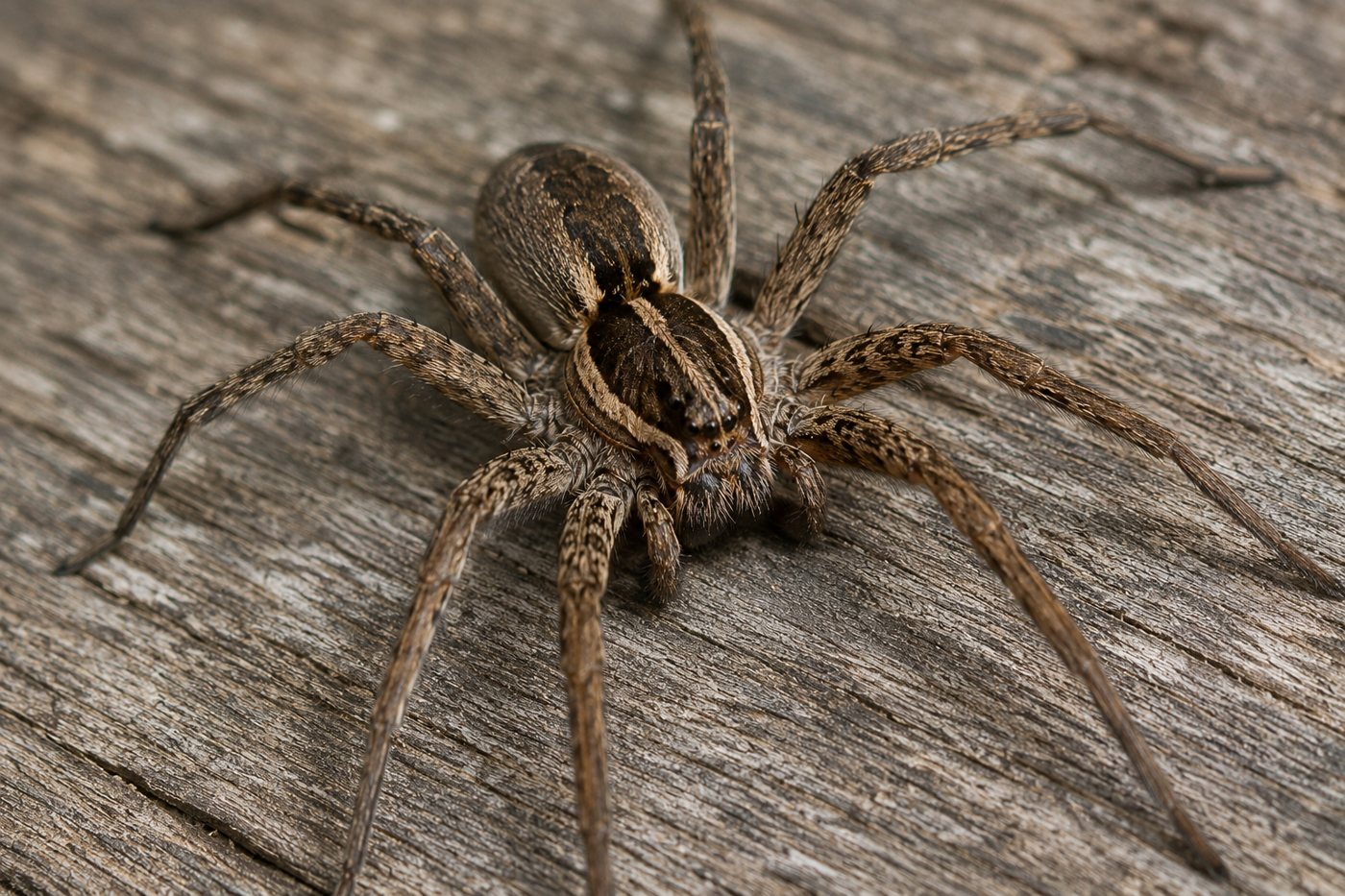
Explore interior and exterior spider control, seasonal web prevention and cottage treatments.
Learn more about SpidersRequest Service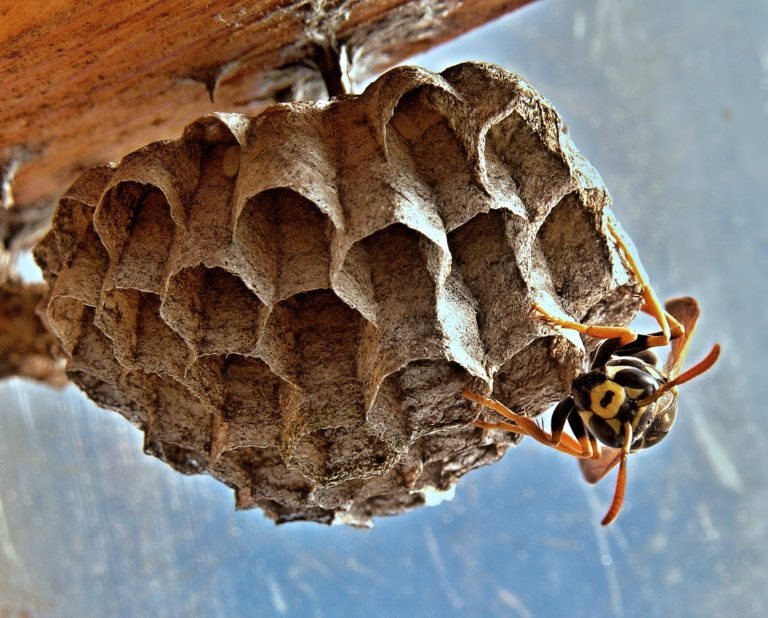
Recognize nest activity and learn why professional help matters near entrances and wall voids.
Learn more about Wasps & HornetsRequest Service